
((((((((bodily)))))((((((fluid))))))((((s)))))))
a free stream of bodily constituitions

I can feel my heart growing heavy, heaving to the weight of pain, beating it down with each pulse. The feeling spreading all over my body like plumes of smoke, forcing itself out of my pores. Goosebumps bloom at the back of my head towards my face. My body braces itself as the smoke begins to grasp upwards as though finding its way out. My head is heavy, my breathing quickens, my heart pumps faster trying to expel the pain. Concentrated and accumulated; my eyes grow blurry from the pain-smoke transforming into wetness. A flooding is inside me. Stones are in the back of my eyes, the base of my head, merging into rocks. Nothing comes out. Not a single tear. I sit and stare at the wall waiting for release. Nothing arrives, nothing leaves…..
By some calculations, people have been speculating about where tears come from and why humans shed them since about 1,500 B.C. For centuries, people thought tears originated in the heart; the Old Testament describes tears as the by-product of when the heart’s material weakens and turns into water, says Vingerhoets, writer of the book, Why Only Humans Weep.. Later, in Hippocrates’ time, it was thought that the mind was the trigger for tears. A prevailing theory in the 1600s held that emotions—especially love—heated the heart, which generated water vapor in order to cool itself down. The heart vapor would then rise to the head, condense near the eyes and escape as tears.1
In creating perfect tears, the limbic system is activated in a series of actions; amygdala (receives the tear-inducing stimulus) sending it off to the hypothalamus which starts the body physical stress response and periaqueductal gray which controls the physical action of crying such as facial movements and vocal changes. These signals travels through the nervous system to the lacrimal gland, a tear-shaped spongy looking thing located at the top end of each eyelid. The lacrimal gland rapidly secretes a much larger volume of watery tears. Secretion happens constantly so that the eye does not dry but when crying happens, the lacrimal glands begin to flood. These tears are mixed with the normal oil from the meibomian glands located at the upper and lower eyelids and mucus from the goblet cells that line the eyelids and covers the white of the eyes to produce the perfect tear: Lacrimal gland (produces the water), meibomian glands (adds oil to keep the water from evaporating) and goblet cells (helps the tears stick evenly to the eye).
I wonder if my inability to cry is caused by some damage in one or all of these glands, or parts of my brain. I repeat periaqueductal gray, lacrimal, meibomian, hypothalamus, amygdala, limbic lacrimal hypoaqueductal gray meibomian amygdalimbic lacriductal perithalamus hypomygdalimbic amygbomian gray meiaquaductal lacrimbic, periacrimal hypomeithalmusygdala gray and other endless permutations which may douse the body, my dry to the bone refusing to cry body, in a spell drenched with endless wet.
On the last dramatic and definitely hilarious attempt at crying, after hellish weeks of thick retrograding energies, I put on a sure-fire tearjerking film, Aftersun, that left me bawling my face off the first time I watched it. One third into the film, I switched it off and decided that I’d take a nap. When the attempt at a nap failed because my insides were roiling restlessly from trapped waters in my body, I decided a long walk might do me good. Multi-tasking putting on a playlist of sad songs on iTunes and listening to how rivers are born, I took a train because walking became a risky thing from being too focused on the screen. On the train, I stole glances at the eyes of strangers, looking for signs of redness, the puffiness of their eyebags, tear-stained and salt crusted cheeks and wondered if we are all too distracted to properly cry these days. I imagine holding their hands tenderly, leaning in close asking when was the last time you cry my love and hearing the most comforting answers; a year ago, more than 10 years ago, I cannot remember, I cannot cry anymore or I never cry and we indulged in internal sobbing where we hold each other in an embrace and heaved out all the nothingness inside.
The track Putih by Efek Rumah Kaca comes on. I skipped the track because I feel my fickle tears welling up and there’s nowhere in the universe in which a version of me cries on the MRT. I POWERWALK my ass home, connect my phone to the bluetooth speaker and blast the song out. Come on baby we can do this. It’s a long song at 9 minutes 46 seconds long; I think of all the shit unfolded over the weeks, the anger in my bones, the sadness I’ve put on hold so my daughter won’t see me break, the pain smoke coming in plumes, I let it all go when this part comes on:
Dan kematian, keniscayaan death in inevitable
Di persimpangan atau kerongkongan at the crossroads or in the throat
Tiba-tiba datang atau dinantikan comes suddenly or awaited
Dan kematian, kesempurnaan and death is perfection
Dan kematian hanya perpindahan and death is only a transition
Dan kematian awal kekekalan and death, the beginning of eternity
Karena kematian untuk kehidupan because death becomes a life
Tanpa kematian without death
Lalu pecah tangis bayi Then a baby's cry breaks out
Seperti kata Wiji And like Wiji2’s words
Disebar biji-biji Spreading as seeds
Disemai menjadi api Sown into fire
Selamat datang di samudera Welcome to the ocean
Ombak-ombak menerpa The waves strike
Rekah, rekah Bloom, bloom
Dan berkahlah And be blessed
Dalam dirinya, terhimpun Within themselves, colliding
Alam raya semesta The vast universe
Dalam jiwanya berkumpul In their souls gathering
Hangat surga neraka The warmth of heaven and hell
Hingga kan datang pertanyaan Until they come upon a question
Segala apa yang dirasakan To everything they’ve felt
Tentang kebahagiaan About happiness
Air mata bercucuran Tears are streaming down
</3
I could feel all the feelings gathering at the bottom of my right eyelid and I blink a solitary tear that pooled on my cheekbone before rolling tenderly down my cheek. That would do for now I guess.
Scientists have also found some evidence that emotional tears are chemically different from the ones people shed while chopping onions—which may help explain why crying sends such a strong emotional signal to others. In addition to the enzymes, lipids, metabolites and electrolytes that make up any tears, emotional tears contain more protein. One hypothesis is that this higher protein content makes emotional tears more viscous, so they stick to the skin more strongly and run down the face more slowly, making them more likely to be seen by others.3
When I was younger, I’d go into long crying spells if I was reprimanded or beaten for some wrong thing I did. This would enraged my mother even more and my sister would cover my face with a pillow gently and shushed me which made me cry even harder. My tears came on far too easily as a child and I was taught that it was bad to be gembeng, cengeng, or too sensitive. By the age of nine, I had learnt to hide in the toilet if I had to cry and how to hold back my tears, like a fucking game so no one would know I was upset.
On days where I’d break because it got a bit difficult to hold it all in, my mother would scream, “why are you crying?” so I create a hiding place in myself to disappear as I watch my mother’s rage unfurled against my tear-stained face and jerky sobbing body. This was how I had learnt to disassociate to protect my ass against these unpredictable dangers at home. Sometimes I’d stay longer than I should and this made me careless and prone to trouble. This frustrated my mother even more and she was quick to correct me with more beatings and sharp words but nothing could fully hurt me where I was, no one can reach me, not even myself.
The floor of our house was made of eggshells and the walls were witness to my mother’s temperament. Anything could set my mother off so my sister and I played the game of whispers and when my mother slept in the afternoons, we’d play the game of quiet as not to wake her up. This made me terribly anxious and my anxiety clenched my bladder tightly and made me wet myself. This happened a lot throughout my childhood. In elevators or staircase landings, the corridors outside our flat. I’d hobbled with a pail almost half my size filled to the brim soapy water, tipping it over with all I had to wash the shame away.
When it happened in public, I’d watched helplessly the trail of piss flowing out of me, desperately squeezing my insides trying to put a stop to it. My mother would hand me an extra pair of pants to change into and I’d be so thankful but my heart would drop when I met her gaze because I knew I’d come home to a beating of a lifetime.
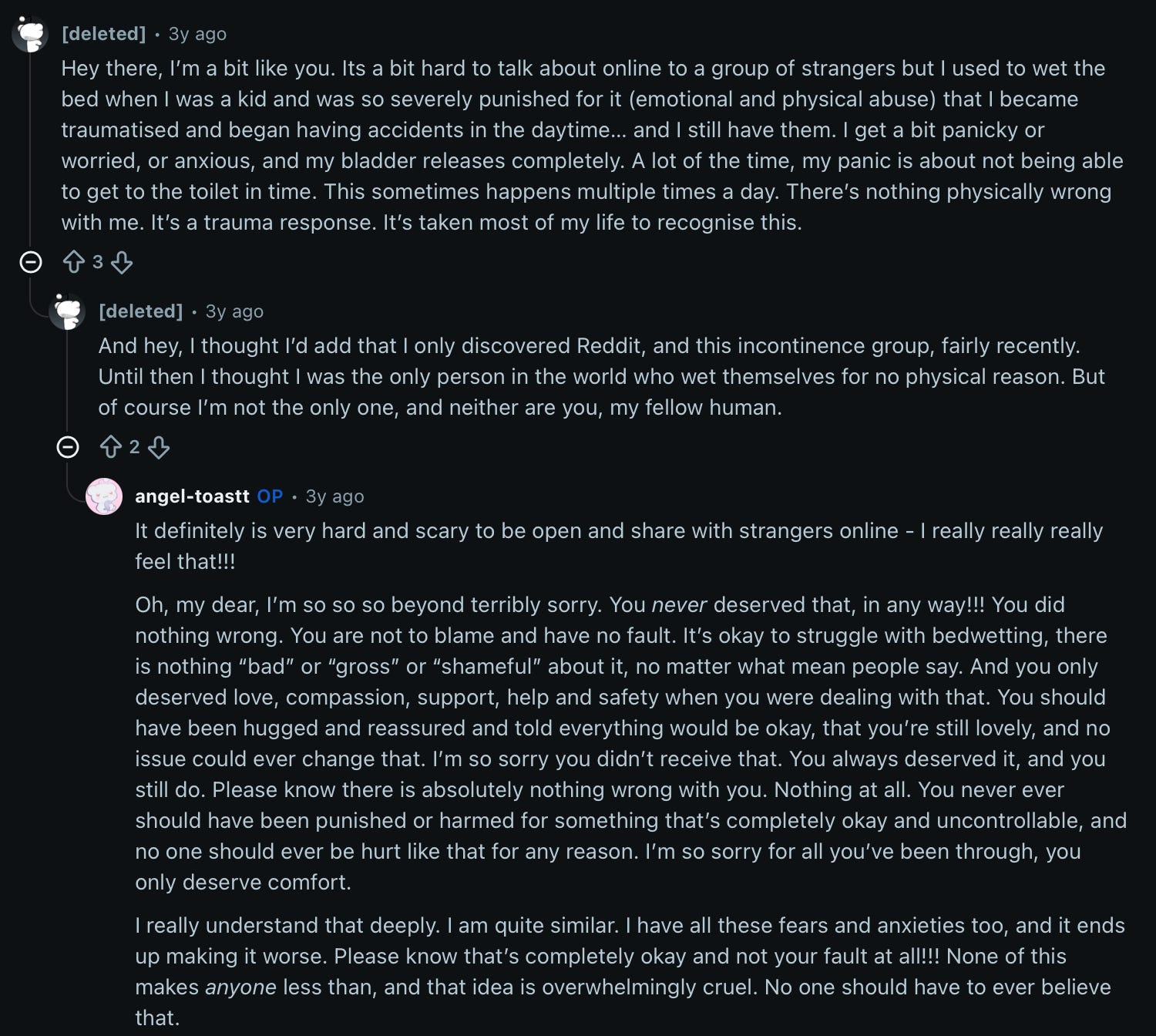
As an adult I still have an overactive and experienced a heightened urgency to urinate when I am feeling excited, nervous, or anxious. My partner calls this fireworks and it usually happens because he makes me laugh too hard at something really funny. When I do wet myself in instances where I am experiencing high stress situations, like walking my sick daughter in her pram at a sheltered walkway during the biggest storm of the year, I’d feel the same feeling of shame and helplessness that I did as a child. Strangely though, in the moment as the warm piss flows down my legs I feel also a sense of relief. It is really hard to explain this but I think accidentally pissing myself gives me the same release as crying does, at least when I still could cry with ease.
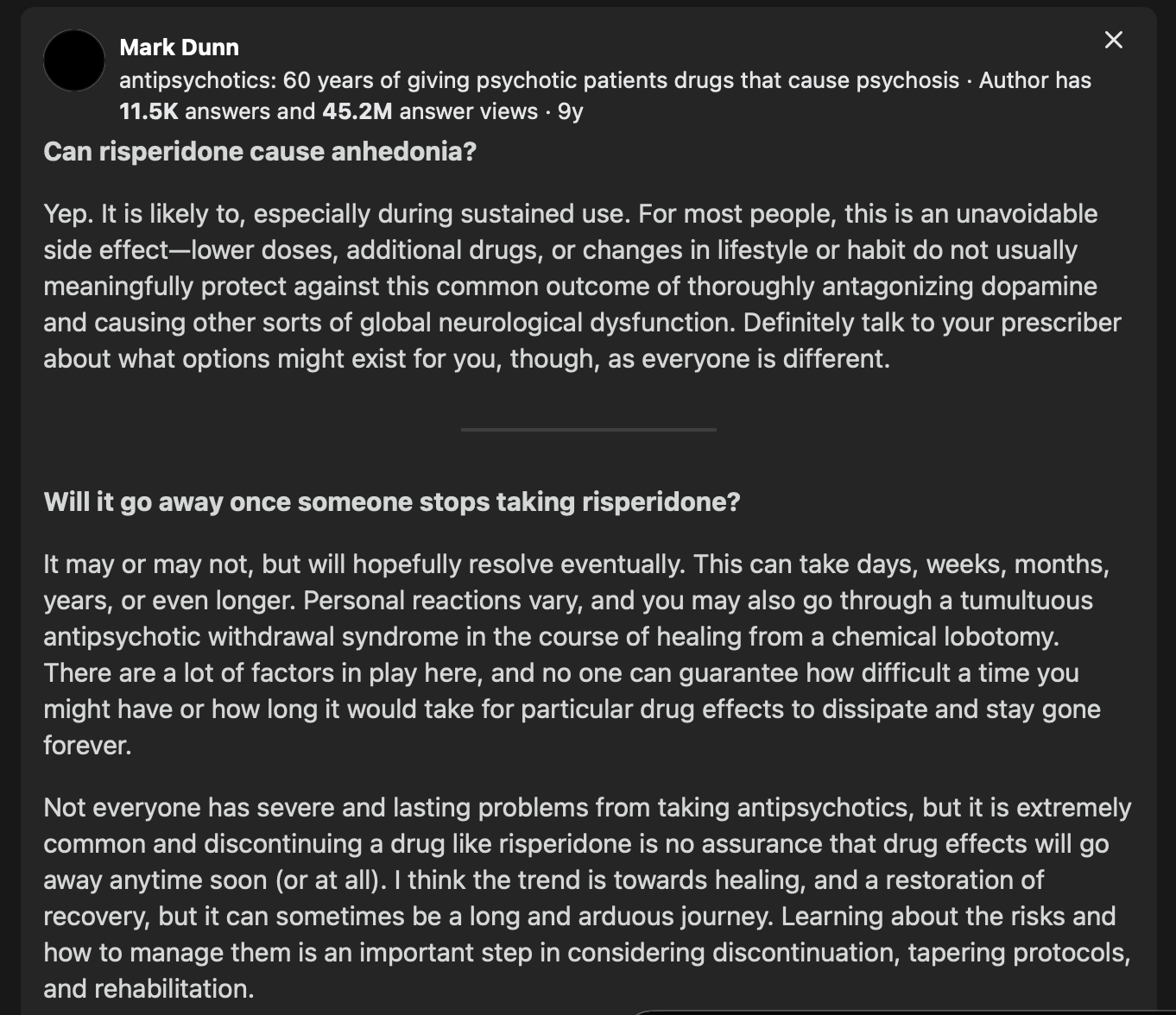
Is there a correlation with how these two water releasing mechanisms as the hallmark of dysfunction in my body? Heck yes for sure. But crying has been greatly impeded ever since I became a risperidoll three years ago. I was already suffering from anhedonia, which literally means an inability to feel pleasure but Risperidone kinda blocked my something something and made it three times more challenging. Emotional blunting is a common side effect in mood stabilizers which is kinda ironic because it becomes a means to an endless cycle; chemical regulation in response to a chemical dysregulation that causes other kinds of dysfunction to the body.
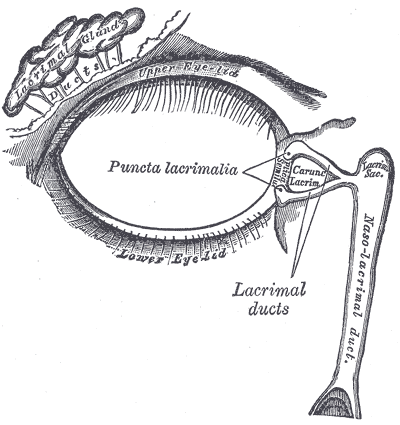
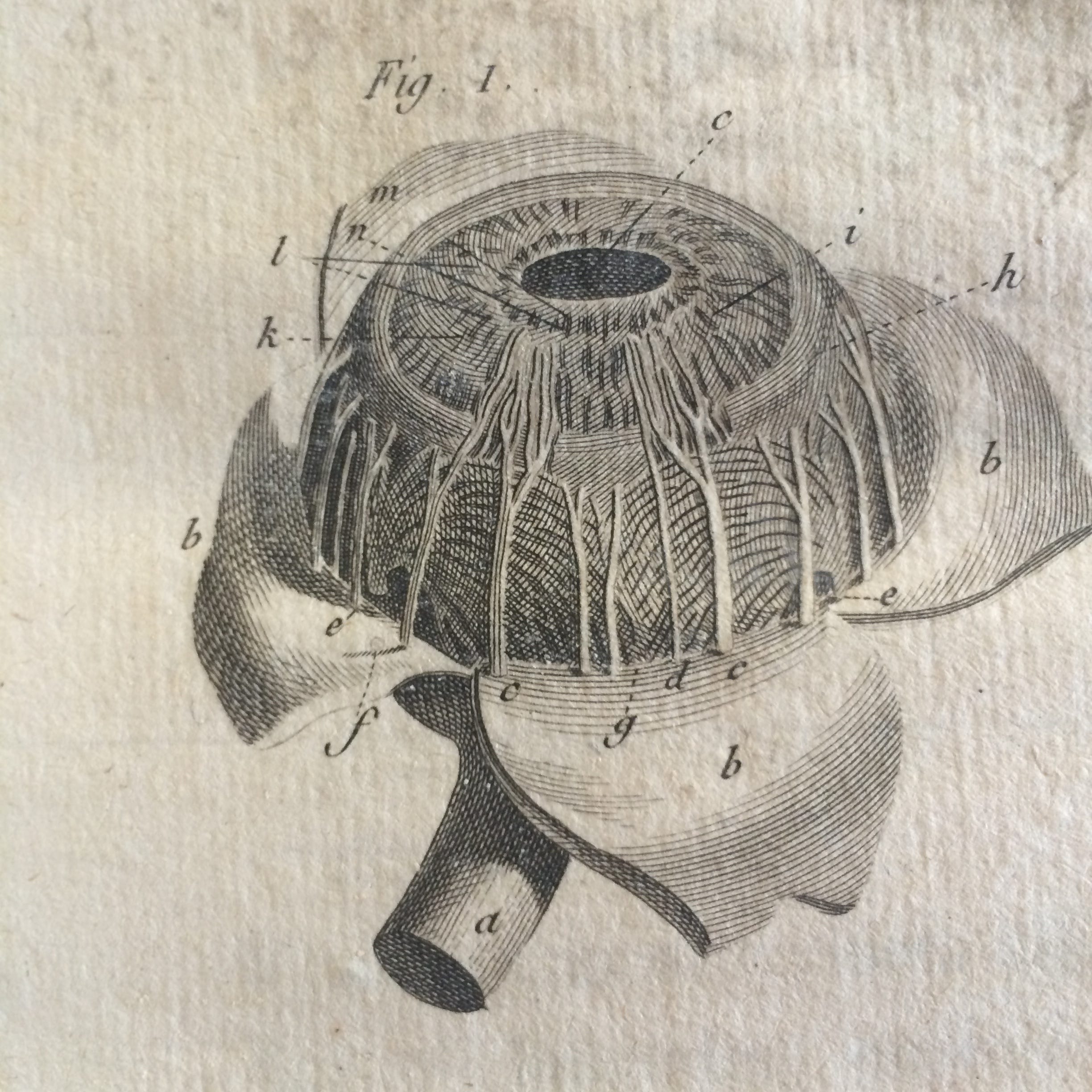
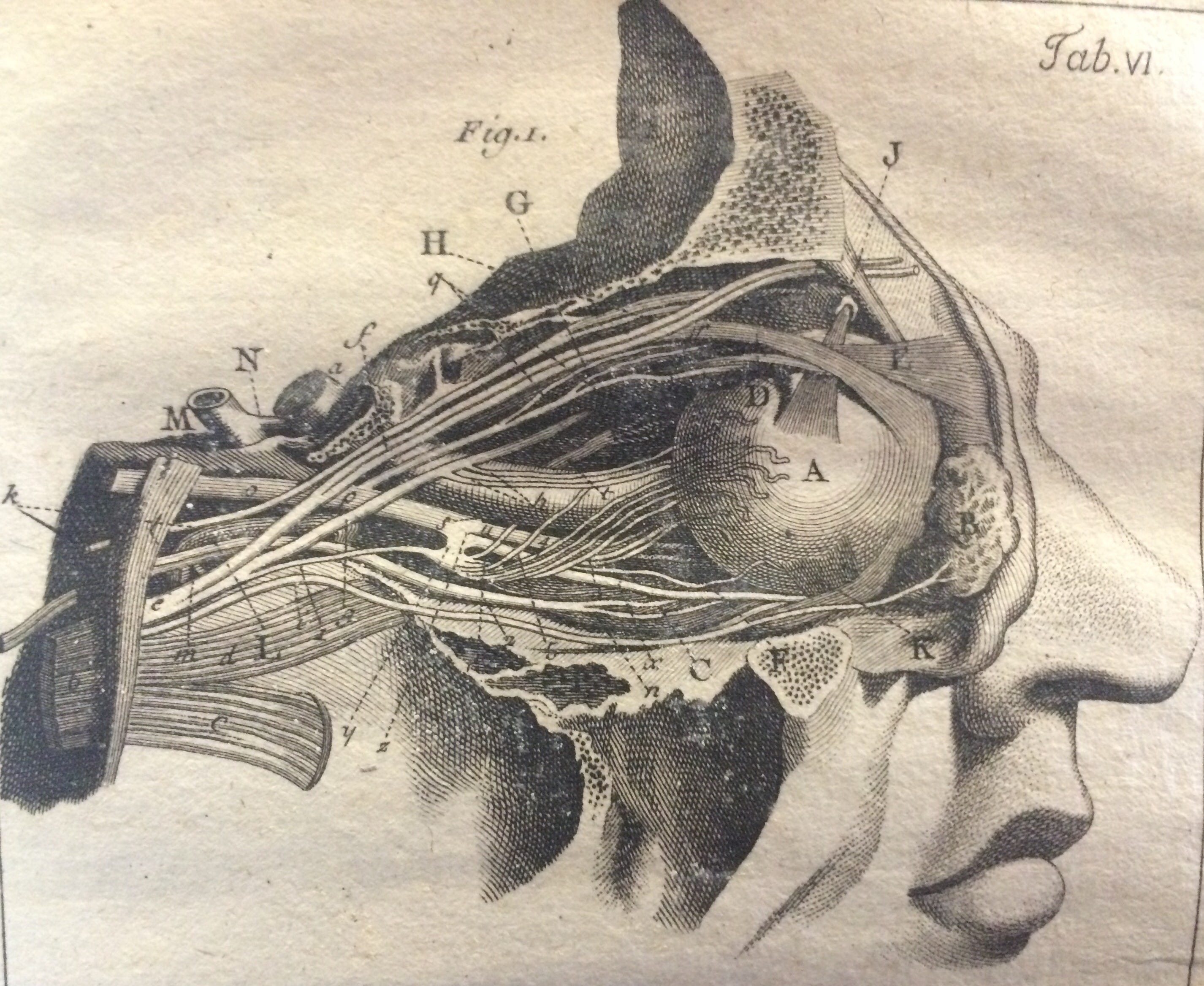
Now I cry once a year if I am lucky. This year I clocked in a singular tear. In an old diagram I found while researching on physiology of the eye and the mechanisms of tear production, the lacrimal gland looks like a forest atop a cliff made of the upper eyelid, surrounded by a lake-shaped eye ball that breaks into a riverine through the puncta and down the nasolacrimal duct into the nose. I cycled to the beach in the noon-high sun and ran to the shore, sweat drenched to meet the salty sea. Something’s not working in my body but I can still find pleasure in other wet and bodily things.
I indulged in long showers and pretend that my tears are coming out of every pore of my body. I spend hours at the onsen once or twice a month and do my usual routine of switching between the most freezing bath to the hottest one until I become light headed. I take really long walks with my daughter until I am drenched in sweat. I touched myself on slow afternoons until I cum so hard that my mind is cleansed. The water flows in and out, it does not matter as long as the water flows, it does not matter.
I’ve been reading a book on how rivers are born. The book, In Praise of Floods describes the importance of a flood pulse where periods inundation and drought creates the lateral exchange of water, nutrients and organisms in aquatic and terrestrial zones. “When we think about the movement of a river, the first thing that comes to mind is the vertical flow of the current downstream and eventually to the sea. It is clear, however, that it is the lateral movement of the river at flood stage that represents the most consequential movement for all riverine life- forms. The flood pulse, in this sense, represents the metronome for the entire assemblage of riverine life, shaping the movement of all its species to take advantage of the sustenance it offers. The movement in question is not in the permanent aquatic zone or in the perennial terrestrial zone but in the “in- between” space, the transitional zone that is, by turns, wet and dry. Depending on the hydrology of the par ticular river, its pulse may vary greatly in amplitude, timing, and duration. The greater its variation, the greater the diversity of habitats that it supports and the greater the adaptability of the species that are found in the floodplain.4”
The River Makes Its Path by Flowing — Theodor Schwenk, in Sensitive Chaos, observed, Water flows and streams on the earth as ceaselessly as the stream of time itself. It is the fundamental melody. . . . Unremittingly it belabors the solid earth, grinding, milling, destroying, levelling out and at the same time building up again, creating anew. . . .As the life blood of the earth, in the great network of veins, it shifts unbelievable amounts of substance, which everywhere accompany the life pro cesses of the earth and its creatures. . . . It transforms the hardest rock and the highest mountains, and it dissolves finished forms, preparing for new creation. Water is the great exchanger and transformer of substances in all forms of metabolism.
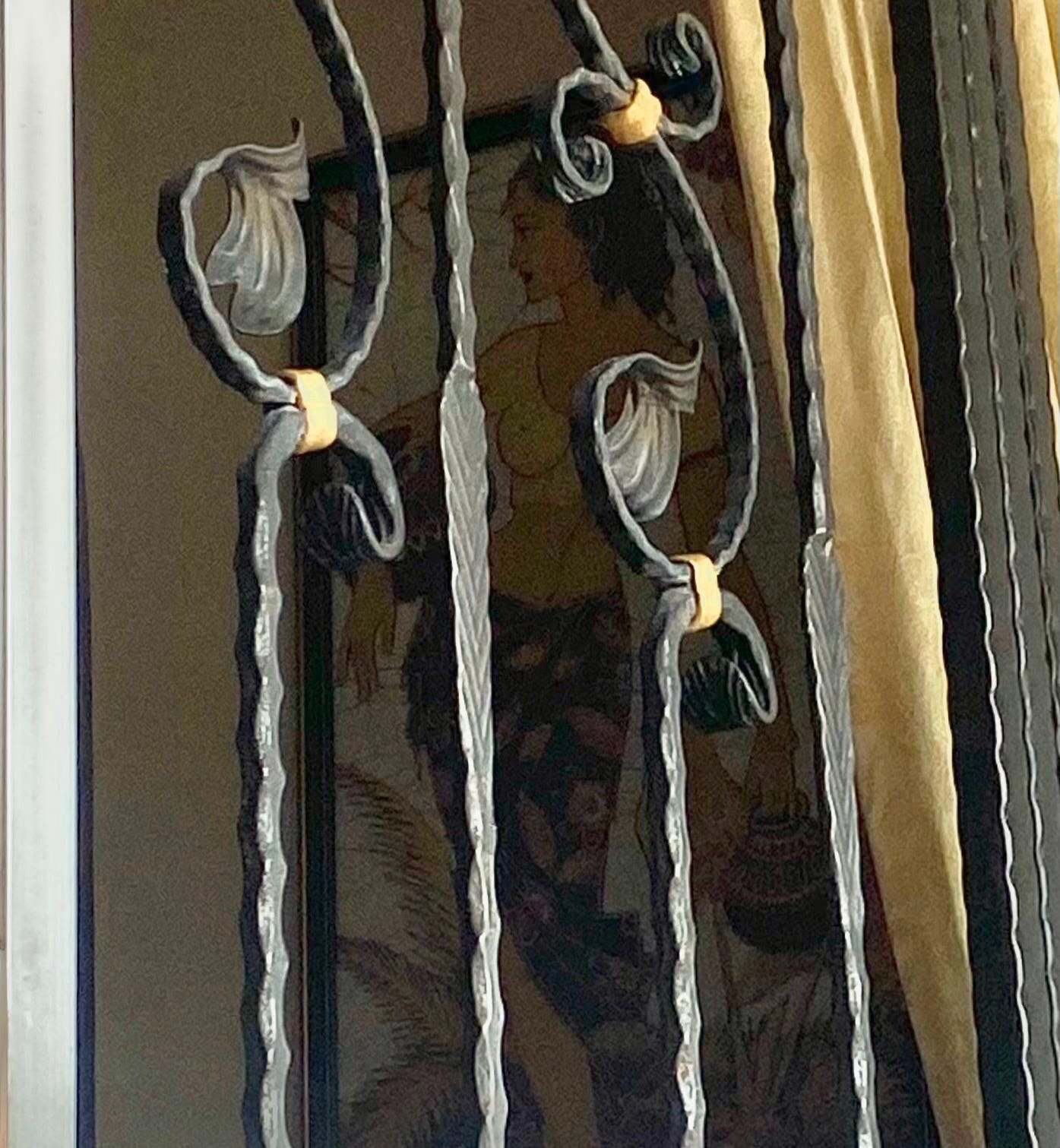
On my daily walks, I pass by a house and glanced upon a print hanging on a wall, of a woman in a batik sarong carrying a pot of water. I see this woman every day for the last decade. She is Aquarian-coded; her soaked clothes, wet hair and that pot of water that is vaguely filled to the brim or at its last drops who knows, clocks my constant need to contain my watery bodily constitutions. She looks away from my gaze even if she walks towards me because what I desire is over her horizon, unseen to my eyes. I have my moon and Jupiter in Aquarius and I always desire to carry the water to where I need it to go, in the most remote barren terrains or even if the horizon is out of sight.
And in this driest spell, where tears do not come as often, I pray for us to carry our endless water in all its forms to meander around my bodies, ours, and others, hydrologic sweat and other bodily fluids, always by the water, always in wet and buoyant inundations.
Until next time my loves. Hope you’ve enjoyed the truest half-baked form. Hydrate, ressociate and stay in love <3
https://time.com/collections/guide-to-happiness/4254089/science-crying/
Wiji Thukul is an Indonesian poet and activist and the song lyrics takes from his poem, Flowers and Wall, in which he describes spreading ourselves as seeds that will grow against tyranny.
https://time.com/collections/guide-to-happiness/4254089/science-crying/
https://dokumen.pub/in-praise-of-floods-the-untamed-river-and-the-life-it-brings-0300278497-9780300278491.html